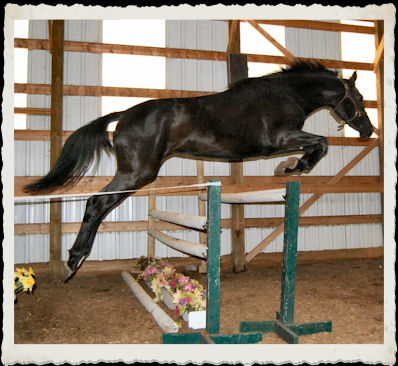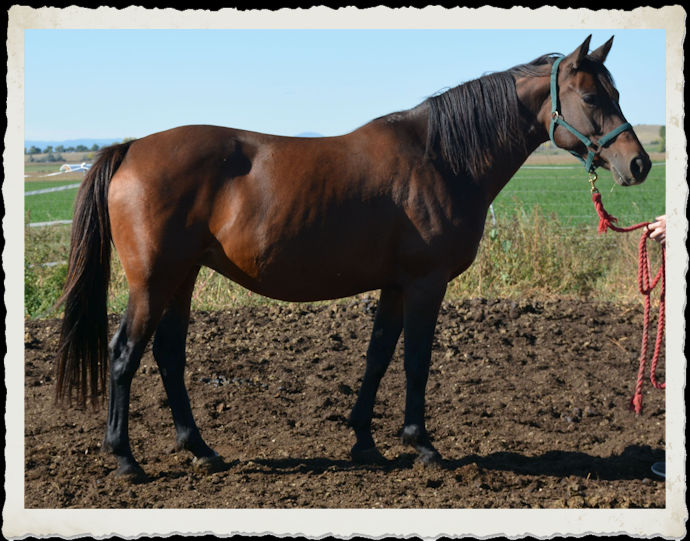
RF Lambada
Warmblood
Lion King x RF Macarena x Meisterwind
Pedigree here
Her sale video is here
Lambada is in foal to YM Cue The Confetti, our few spot Appaloosa Stallion, for a black or bay SPOTTED foal. |
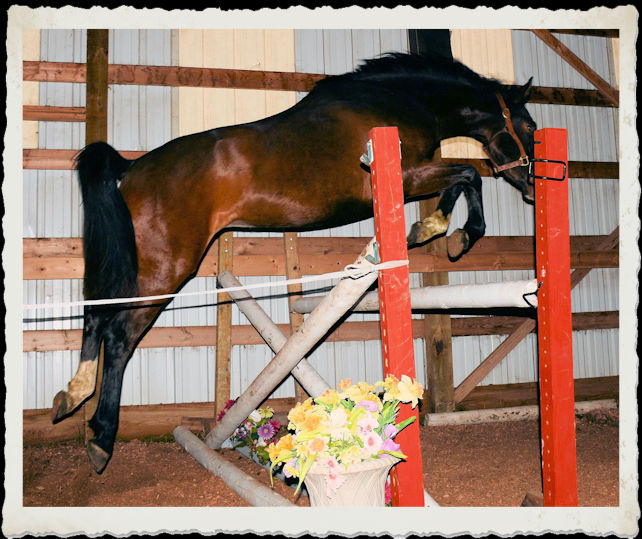
RF Laguna Beach
Warmblood
See her 2 year old sale video here
We quickly realized we needed to keep her! Her first foal
RF A-OK, by BJC Asher Seven is impressive.
Pedigree here |
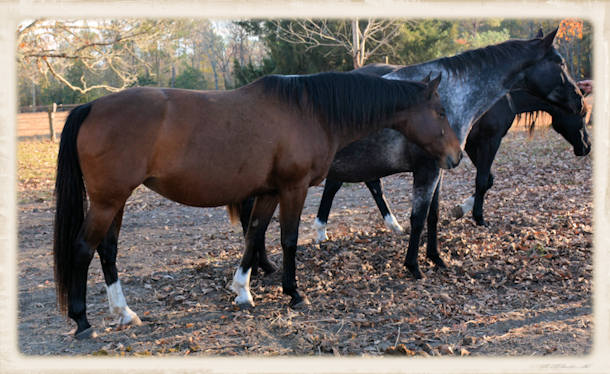
RF Laguna Beach & WAP Snodance.
Laguna Beach is in foal to RF Meistertanz and WAP Snodance is in foal to Lion King.
|
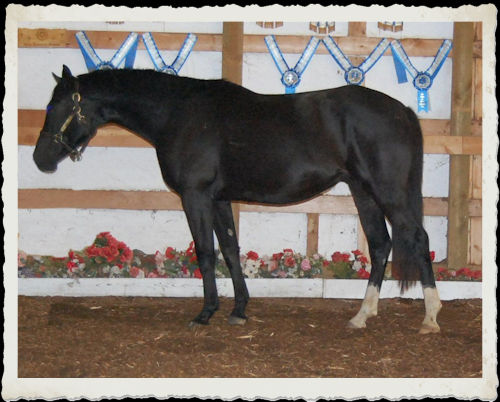
(States Premium) RF Mariachi
Warmblood
Meisterwind x Sarah Song (ox) x Caligastro (ox)
Pedigree here
Mariachi is the dam of RF Alegrias (Eventing), RF Lunar Tanz (Hunters), RF Locomotion (Hunters), RF Astaire, RF Aryana (working equitation) RF Lullaby, and RF Last Dance and RF Artisan (both on the Horses For Sale page) Mari had a beautiful black filly by Lion King in 2025. She will be retained for our program. |
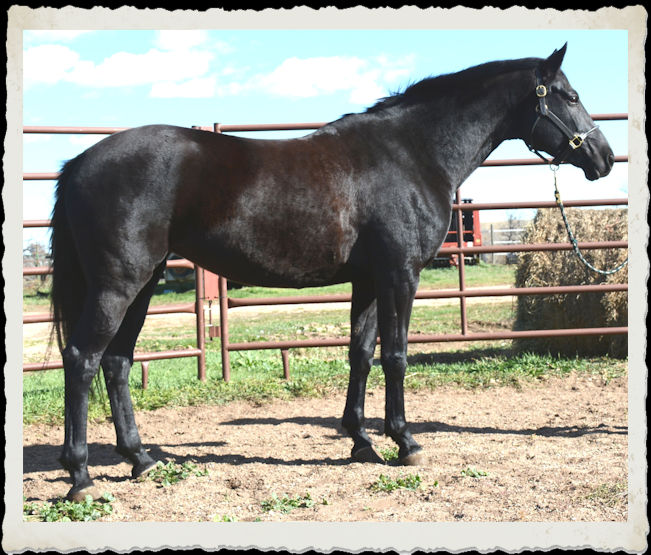
RF Lullaby
Warmblood
Lion King X RF Mariachi X Meisterwind
Lullaby is the dam of RF After Midnight and RF All About Me.
She had a lovely colt by RF Meistertanz in 2024. He will be available.
Lullaby is in foal to RF Meistertanz for an April 2026 foal.
Pedigree here |
RF Muzique
Warmblood
Meisterwind x Sarah Song (ox) x Caligastro (ox)
Pedigree here
Muzique is the Dam of RF Sugar Snap (Dressage) , RF Leggiero (Cheeky)(Eventing), RF Loure (Dressage), RF Allegro, RF Allrightythen and RF Arabella. Muzique had a beautiful black colt by Lion King in 2025. He will be retained as a potential stallion prospect.
|
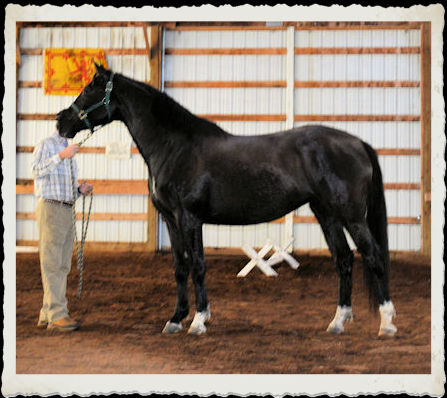
RF Lorelei
Warmblood
Lion King x Magisch x Meisterwind
Pedigree here
Lorelei has a beautiful 2023 colt by BJC Asher Seven. He is on the Horses For Sale page, RF A Big Deal.
|
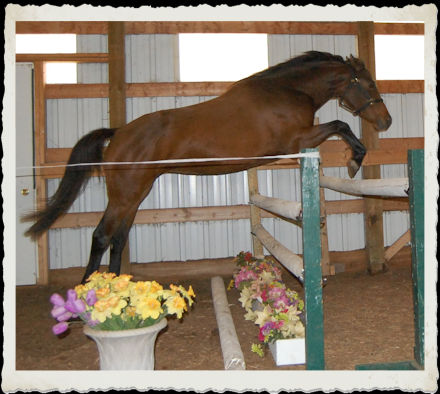
RF Mocha
Warmblood
RF Meistertanz x St.Pr. Chipper Bezt x Bezalla
Pedigree here
Mocha is the Dam of RF Lafitte (Hunter) and RF Allthatandthensome (on the Horses For Sale page) She had a fabulous black colt by Lion King in 2025. He is being retained as a potential stallion prospect |
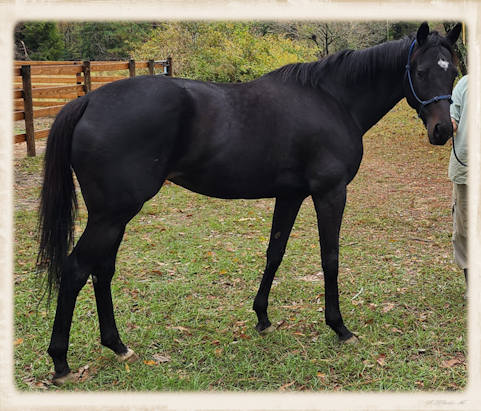 Tunstall XX Tunstall XX
Thoroughbred
Seville (Germany) X And A Cherry Tree X Cheif Seattle
Excited to add this beautiful Thoroughbred mare to our program. She is in foal to YM Cue The Confetti for a black or bay SPOTTED foal, due April 2026.
Pedigree here |
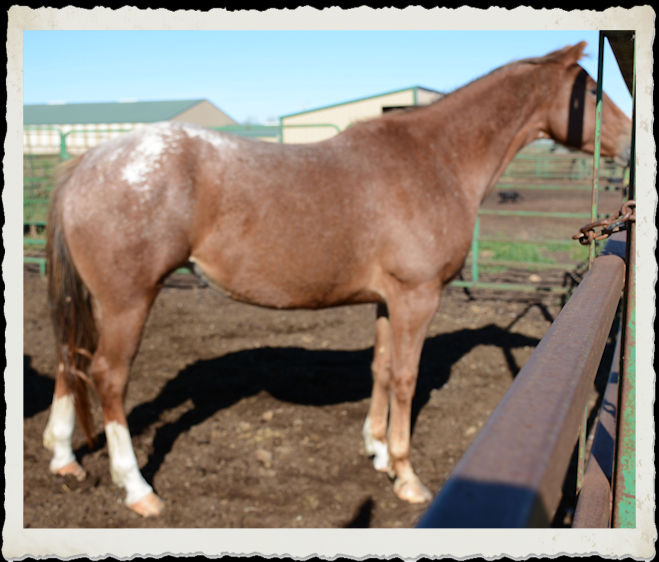 Hear No Secrets - 83% Foundation Hear No Secrets - 83% Foundation
Appaloosa
Secret Admirer x A Lucky Etching x Mr. Lucky Again
Pedigree here
Hear No Secrets is the Dam of RF Let's Be Frank (Dressage, Jumpers), RF Let's Tell Secrets (Dressage, Eventing) and RF Lion's Roar. She has a 2024 filly that is a full sister to her geldings. She may be available in the future.
"Bunny" is in foal to Lion King
|
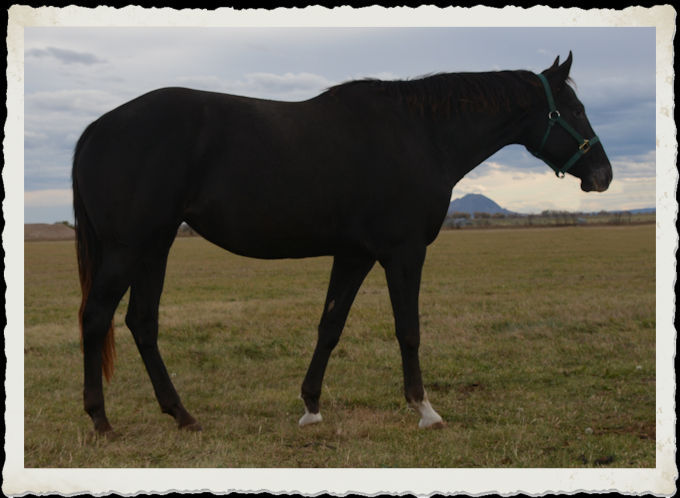
WranglersBlackVelvet - 77% Foundation
Appaloosa
Honky Tonk Wrangler x Velvet Elegance x Sunbeach Honkytonk
Pedigree here
Velvet has a 2025 filly by BJC Asher Seven. She may be available in the future. Velvet will be bred to YM Cue The Confetti in early 2026 for a bay or black Spotted ApHC foal. |
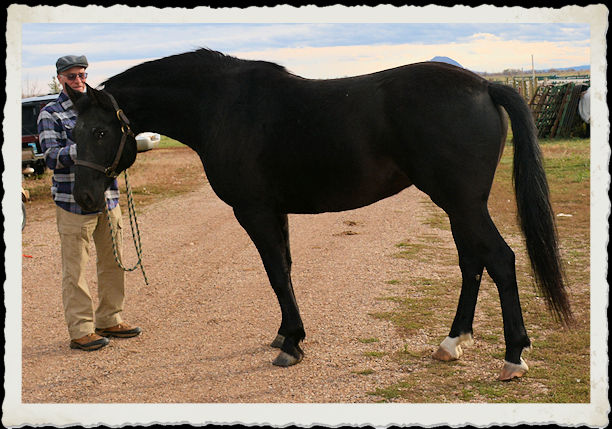
RF Lady Stardancer
Appaloosa Sport Horse
Lion King x Lady Stardance
Lady is the last daughter of the 100% Foundation Appaloosa mare, bred by Lola Parks. She is the full sister to RF Lavender who is a successful adult amateur Dressage horse. She had a striking black, spotted filly by BJC Asher Seven in 2025.
|
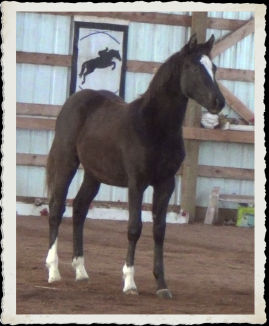
RF Lotta Fancy
Warmblood
Lion King X RF More Than Fancy X RF Meistertanz
(weanling photo) We chose to retain "Lottie" as she matured into a striking young mare. She had her first foal, by BJC Asher Seven in 2025, a black filly with spots over her rump. She will be bred to YM Cue The Confetti early in 2026 for a black or bay SPOTTED foal.
Pedigree here |
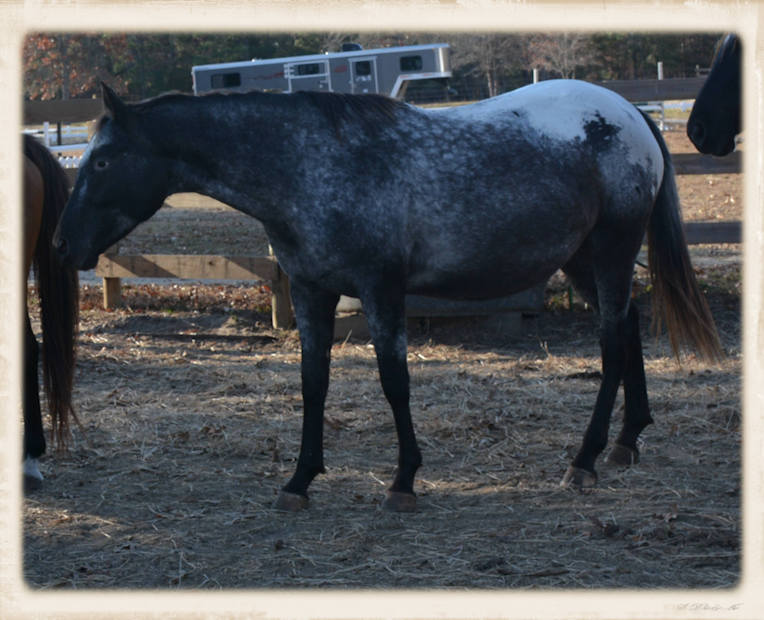 WAP Snodance - 77% Foundation WAP Snodance - 77% Foundation
Appaloosa
DreamMakers Snoeagle x WAP Town Dancer x Wapuzzan
"Frosty" is in foal to Lion King for an April 2026 foal.
Pedigree here
|
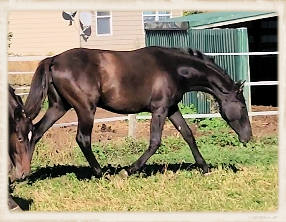
RF Madera
Warmblood
RF Meistertanz X RF Lambada X Lion King
Madera is another young mare we chose to keep and add to our program. She was bred to YM Cue The Confetti for a black or bay SPOTTED foal, due April 2026. |
| |
|
|
| |
Past mares
|
|
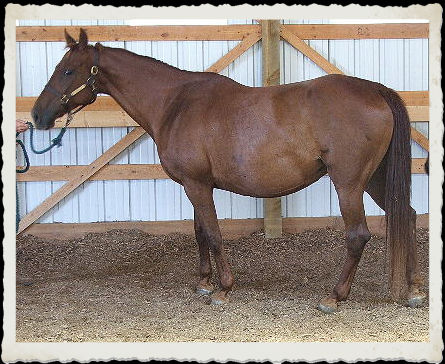
Gold Digger
Gold Fuerst x Find The Cure XX (TB)
Pedigree here
Gold Digger is the dam of RF Layla (Dressage), Magic Man RF (Childrens Hunters), Meisterwerk RF (Dressage, Eventing), RF Miners Lady, RF Metallic (Dressage), RF Marquise and RF Almandine (Jumpers). |
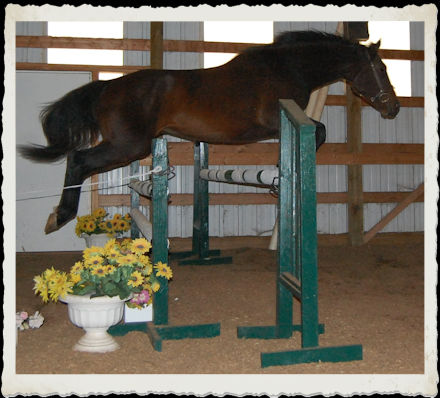
RF Miners Lady
Meisterwind x Gold Digger x Goldfuerst
Pedigree here
Miners Lady is the dam of RF Liberty (Closing Time), RF Le Coeur (Hunters) and RF Load Stone (Eventing)
|
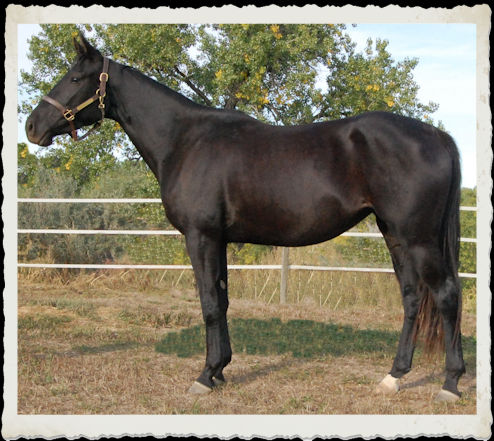
RF Marquise
Meisterwind x Gold Digger x Goldfuerst
Pedigree here
Marquise is the dam of RF Adalena |
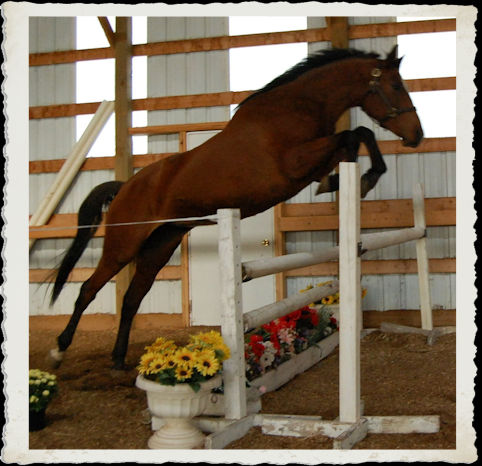
(States Premium) RF Macarena
Meisterwind x Pfiesta x Leibjaeger
Pedigree here
Macarena is the dam of Southern Living (Hunters) , RF Atlas (Jumpers), RF Afire and RF Lambada.
|
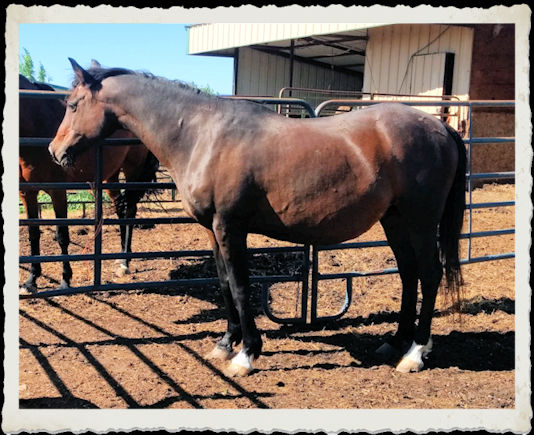 WillowBez WillowBez
Anglo-Arab
Bezalla x Joco's Emergency
Willow is the dam of RF Let's Dance, by Lion King, a very successful Hunter and RF Abstract, by BJC Asher Seven, the 2022 Appaloosa NATIONAL CHAMPION Endurance horse! This horse has completed several 100 milers and went 72 miles of the Tevis Cup before his rider retired for health reasons, her's not the horse's. |
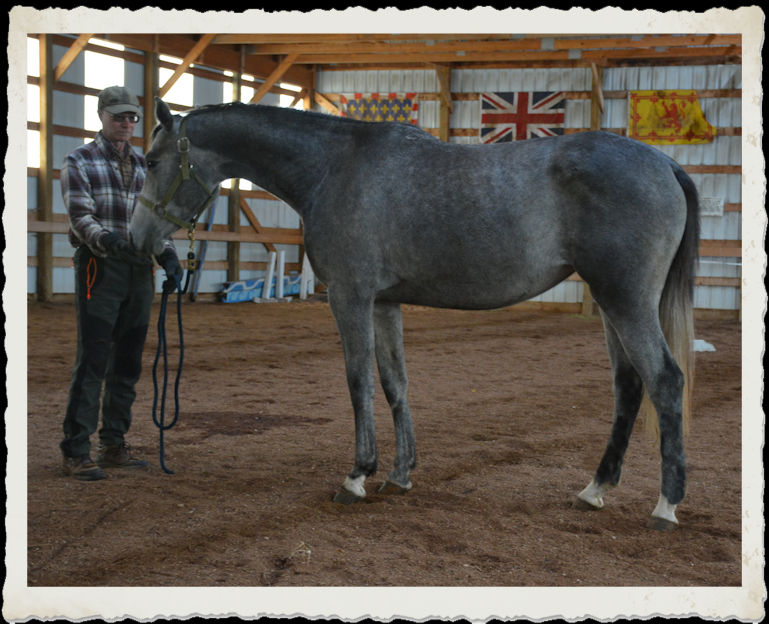
RF Maui
Meisterwind x Aloha x Haensel
RF Maui is the Dam of RF Luau (Eventing) , RF Lalani (Dressage), RF Luana (Dressage)and RF Leialoha (on the Horses For Sale page)
Pedigree here
|
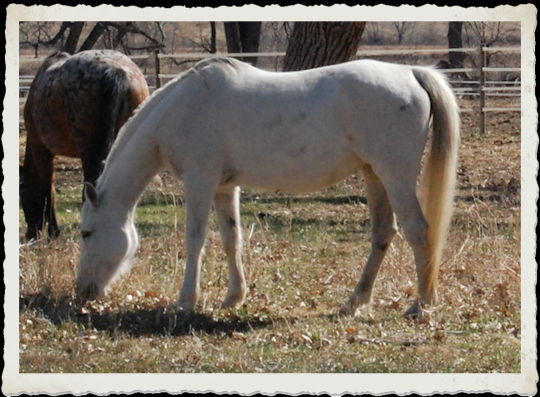
Aloha
Hansel x Alouette x Tannenberg
Pedigree here
Aloha is the dam of Alabaster GS, Amur, Apollo FGS, Arctic Ice, Avalanche and RF Maui |
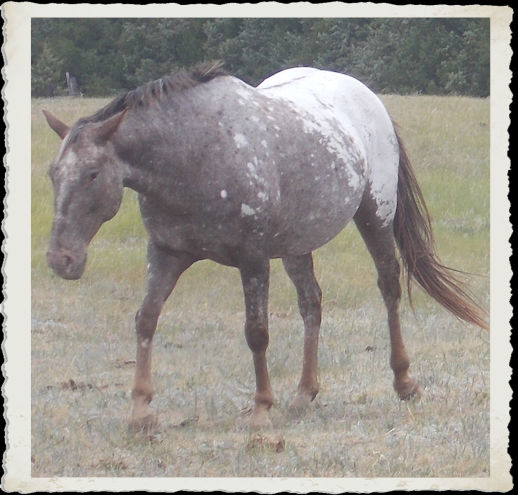
Doublesix Atoka Star - 77% Foundation
Jayhawk Double 6 x Equals Leo Star x Brents Leo Star. Atoka is the dam of our young stallion prospect, RF Artistic Endeavor, by BJC Asher Seven
|
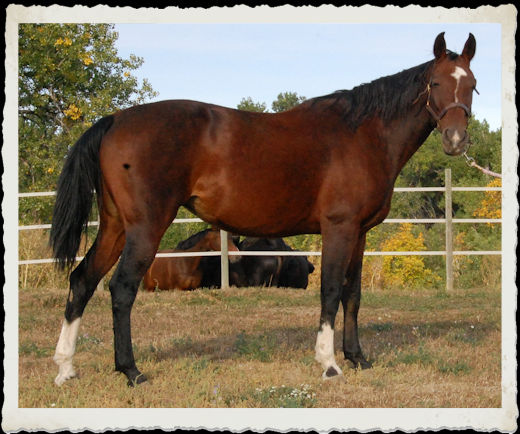
Fancy That PCH
For Paragon x Deltara x Dynamo
Fancy is the dam of RF More Than Fancy RF Archer and RF LePhantom, |
.jpg)
(States Premium) Chipper Bezt (AA) (RIP)
Bezalla (ox) x Cookie (AA) x Hurricane Tim (TB)
Chips is the Dam of RF Latte (Hunters) , RF Marivedi, RF Marigold and RF Mocha
|
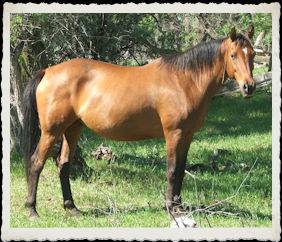
RF Marigold
Meisterwind X Chipper Bezt (AA)X Bezalla (OX)
Marigold is the dam of, RF Arkenstone, RF Azalea and RF Lilly Of The Valley
|
RF More Than Fancy (SOLD)
RF Meistertanz X Fancy That PCH x For Paragon
Pedigree here |
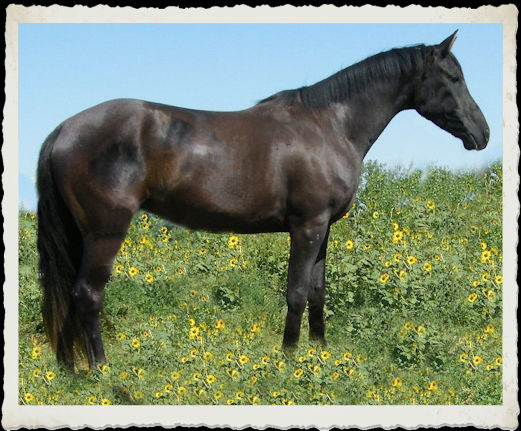
Magisch
Meisterwind x Trinkgeld x Avignon II
Magisch is the Dam of RF Ace High and RF Lorelei
|
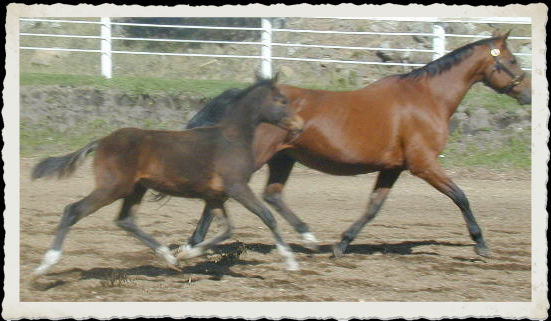
HH Good Luck
Appaloosa
Lightning 3 Bars X Heep Good
"Lucky" was inspected and graded into the Main Mare Book of the German Rheinland-Pfalz-Saar Stud Books.
Lucky is the dam of Maxim (dressage) McGyver (Eventing) RF Luck Be A Lady (Hunters) RF Matilda, Mercedes and Melodie
The Grand dam of Good Luck, Heep Good also produced The Magic Man, successful through Intermediate Level Eventing. A powerful dam line indeed!
|
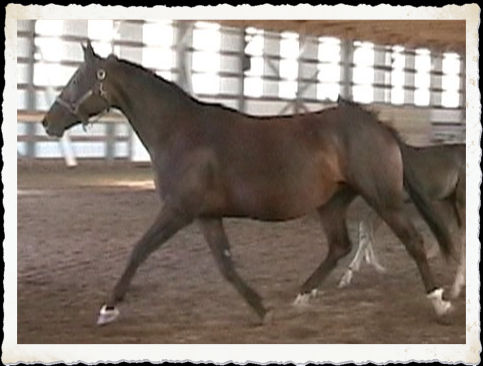 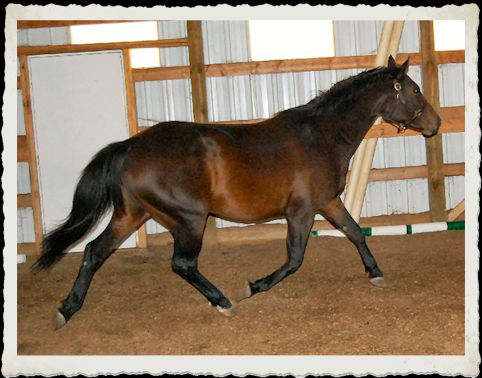
RF Matilda and RF Mercedes and Melodie
Meisterwind X HH Good Luck
Matilda is the dam of RF Lola (Jumpers), RF Latten (FEI Dressage), RF Lime Light (FEI Dressage) and RF Labeled Black (Eventing)
Mercedes is the dam of RF Legerdemain (Childrens Hunters), RF Lexus and Scotch Plaid (Hunters)
Melodie is the dam of RF Lionetta, RF Lucille, RF Abracadabra and RF All In
|
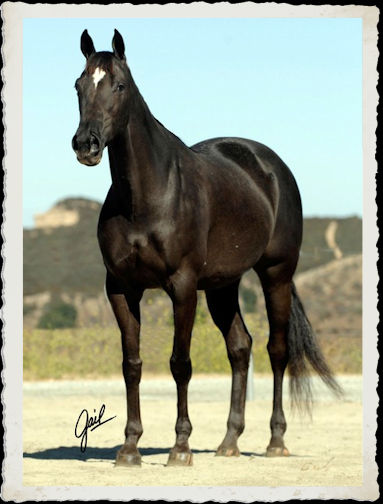
Touch Of Silk - 60% Foundation
Appaloosa
Sunbeach Honkytonk X Enchanted Ice X Vittoro II
Pedigree here
Silk is the dam of our stallion prospect RF High Dollar Honkytonk, by BJC Asher Seven
|
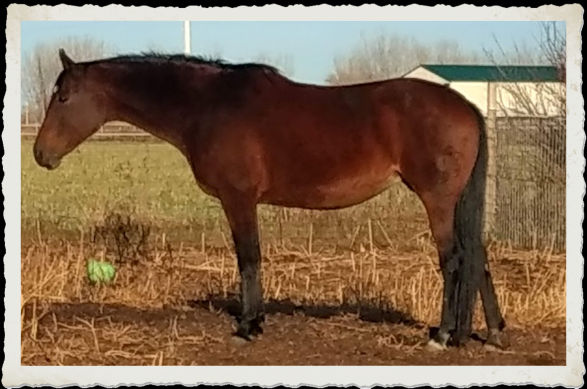
Prada FHF
Trakehner- Abdullah *Pg*E* x Pamina Vom Rappenhof x Carino
Prada is the Dam of Phonograph Blues, Pantera JRR (Eventing) RF Parade of Lights and RF Pierre Cardin, (on the horses for sale page)
|
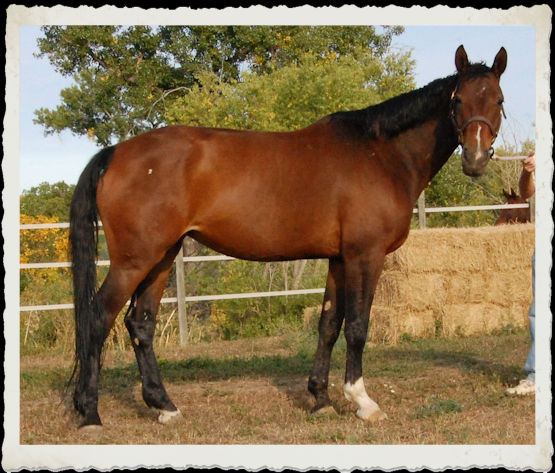
Cosima (show name Seaside)
Carismo x Wega x Watzmann
Seaside is the Dam of RF Last Call, RF Laguna Beach, and RF Aphrodite.
|